 Reviews



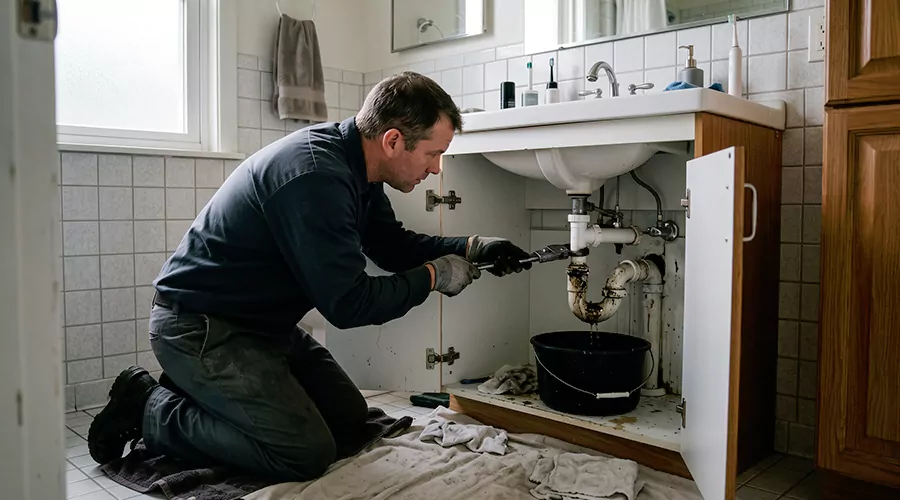
Clogged pipes usually result from accumulated grease or other solid material that gradually reduces the available opening. Hair is a common cause inside bathroom drains. Cooking grease frequently affects kitchen piping. Older underground sewer lines can also develop restrictions caused by tree roots or structural damage.
Professional drain cleaning averages $246 in the United States according to August 2026 pricing. More extensive main sewer clog repair averages approximately $380. Understanding what causes clogged pipes requires looking beyond the visible fixture. The location of the obstruction and the condition of the pipe can determine whether the problem is temporary or recurring.
What Are the Most Common Causes of Clogged Pipes?
Most household pipe blockages develop when unsuitable materials enter the drainage system and remain inside it. Different fixtures introduce different substances. The problem becomes more severe when existing buildup catches additional material and gradually reduces the pipe's usable opening.
Common causes include:
- Cooking grease: Fat can cool inside piping and attach to the pipe wall.
- Food particles: Solid residue can collect inside kitchen waste lines.
- Hair: Strands can catch on bathroom drain components.
- Soap buildup: Sticky deposits can attach to existing obstructions.
- Wipes: These materials can remain intact and accumulate in wastewater piping.
- Foreign objects: Small household items can lodge inside traps or pipe bends.
- Mineral deposits: Scale can reduce the internal diameter of some older pipes.
- Tree roots: Roots can enter underground sewer lines through defects.
- Structural damage: Damaged or displaced piping can create places where solids collect.
The EPA identifies tree roots entering through sewer defects as one potential cause of sewer blockages.
How Does Grease Clog Household Pipes?
Grease can enter a kitchen drain as a liquid and then solidify after cooling inside the pipe. Its sticky surface captures food particles and gradually forms a thicker obstruction. Hot water may temporarily move grease downstream without removing it from the drainage system. Cooking oils and fats should therefore be collected separately rather than poured into a sink.
The following habits increase grease-related blockage risk:
- Pouring cooking oil directly into the sink.
- Washing greasy cookware without removing excess fat first.
- Rinsing large amounts of food into the drain.
- Assuming a garbage disposal can prevent grease accumulation.
- Repeatedly sending warm liquid grease into the same drain.
Municipal wastewater guidance explains that grease can solidify inside pipes and contribute to blockages.
Why Do Bathroom Pipes Become Clogged?
Bathroom drainpipes commonly collect hair and soap residue. Hair catches around stopper mechanisms or rough internal surfaces. Soap residue attaches to the strands and creates a larger obstruction. Over time, the resulting buildup reduces drainage speed.
The problem often begins close to the fixture. For example, a bathroom sink may develop a restriction around the pop-up stopper. A shower can collect hair directly beneath the drain cover.
Removing that material early prevents additional debris from attaching to it. A hair-catching screen also reduces the amount of material entering deeper plumbing.
Can Wipes and Paper Products Block Pipes?
Wipes and other unsuitable paper products can create serious drainage problems because they do not break apart like ordinary toilet paper. These materials may collect inside household waste piping and combine with existing obstructions.
Problematic materials include:
- Baby wipes.
- Cleaning wipes.
- Paper towels.
- Disposable hygiene products.
- Other household materials not intended for flushing.
Even products marketed as flushable can contribute to blockages. Portland's wastewater authority specifically warns that wipes should not enter the sewer system. Keeping unsuitable materials out of toilets helps protect the connected drainpipes.
Can Tree Roots Cause Clogged Pipes?
Tree roots can enter underground sewer pipes through existing cracks or separated joints. Once inside the pipe, roots can catch wastewater solids and restrict the available opening. Root intrusion is more relevant to underground sewer lines than to exposed sink drainage components.
The problem may develop gradually. Repeated drainage problems can occur when roots remain inside the pipe after an earlier clearing attempt.
A root obstruction also differs from ordinary hair or grease buildup because the entry point in the pipe may still exist. The EPA identifies root intrusion through sewer defects as a recognized cause of sewer blockages.
Can Damaged Pipes Create Recurring Blockages?
Damaged drainage pipes can collect debris when their internal shape or alignment prevents wastewater from moving normally. A sagging section can retain water and solids. Displaced joints can create internal edges where material becomes trapped. These conditions can cause repeated blockage in the same section.
Examples include:
- A pipe section that has developed a low point.
- A connection that is no longer properly aligned.
- Heavy deposits inside older piping.
- A damaged section that catches passing material.
- A structural defect that allows tree-root entry.
A recurring obstruction does not automatically prove that the pipe has failed. However, repeated problems after proper cleaning make pipe condition worth investigating.
How Do Clogged Pipes Progress Over Time?
Pipe blockages often begin with minor buildup and become more serious as the available opening decreases. A small restriction can cause occasional slow drainage. Severe accumulation can eventually affect multiple fixtures when the obstruction sits inside shared drainage piping.
| Problem Stage | Typical Symptoms | Possible Condition | 2026 U.S. Cost Reference |
|---|---|---|---|
| Early buildup | Slightly slow drainage | Hair or grease beginning to collect | Usually DIY |
| Local blockage | One fixture backs up | Trap or branch restriction | 147–352 typical cleaning |
| Repeated blockage | Same drain frequently fails | Residual buildup or pipe defect | Requires diagnosis |
| Main sewer blockage | Several fixtures back up | Deeper obstruction | $380 average repair |
| Damaged accessible pipe | Leak or structural defect | Pipe repair or replacement | 100–800 minor repair |
The pipe-repair figures reflect reported 2026 U.S. costs for minor accessible drainage repairs. Major repairs involving difficult access can cost substantially more.
What Warning Signs Suggest That Pipes Are Clogged?
A pipe blockage can affect one fixture or several connected drains depending on its location. Local restrictions often cause slow drainage at a single sink. Deeper blockages can create backups in multiple fixtures and may cause wastewater to return through lower plumbing openings.
Watch for these warning signs:
- One sink drains slowly. A nearby obstruction may be forming.
- Several fixtures become slow together. A shared pipe may be restricted.
- Drainage produces repeated gurgling. Wastewater movement may be disturbed.
- Standing water remains after use. The pipe cannot carry normal flow.
- Clogs return quickly. A deeper restriction may remain.
- Wastewater enters a bathtub. A shared drainage blockage is possible.
- A toilet affects another bathroom fixture. The restriction may sit farther downstream.
- Sewer-like odors develop. The drainage system may need further investigation.
- Water backs up during appliance discharge. The shared waste line may be restricted.
- A manual auger repeatedly meets resistance. A dense obstruction or pipe defect may exist.
The location and timing of these symptoms help narrow the problem.
How Can You Identify Which Pipe Is Clogged?
A basic drainage survey can help distinguish an isolated fixture blockage from a problem inside shared piping. Start by checking which fixtures are affected. Avoid continuing water tests when sewage is already returning through another opening.
Use this sequence:
- Identify the fixture where the problem first appeared.
- Check whether nearby drains show similar symptoms.
- Observe whether another fixture affects the blocked drain.
- Inspect accessible stoppers or strainers.
- Remove visible debris.
- Inspect an accessible P-trap when appropriate.
- Stop testing if wastewater begins backing up elsewhere.
A single affected sink often points toward nearby plumbing. Several connected fixtures showing similar symptoms suggest that the restriction may sit after their drainage pipes join.
Can Plumbing Vent Problems Cause Similar Symptoms?
Plumbing vents help balance pressure inside drainage systems. A venting problem can produce gurgling or unusual drainage behavior even when there is no solid obstruction directly beneath the fixture.
This distinction matters because repeatedly removing debris will not correct every pressure-related problem. Warning signs can include changes in drainage behavior when another fixture operates.
However, gurgling alone does not establish a vent defect. Partial blockages can produce similar symptoms. A proper diagnosis must consider both the waste pipe and its ventilation system.
When Should You Call a Professional?
Professional investigation becomes appropriate when the same drain repeatedly blocks or several fixtures develop symptoms together. Suspected tree-root intrusion or structural pipe damage also requires more than ordinary surface cleaning. Main sewer clog repair averages approximately $380 in 2026. More extensive work involving inspection or high-pressure cleaning can reach substantially higher amounts.
Seek professional diagnosis when:
- Multiple connected fixtures back up.
- The same blockage repeatedly returns.
- A manual auger cannot remove the obstruction.
- Tree-root intrusion is suspected.
- Wastewater appears inside the property.
- Visible pipes show signs of damage.
- Drainage problems persist despite clearing accessible components.
A professional can use appropriate inspection equipment to investigate deeper piping and identify the location of a recurring problem.
How Can You Prevent Pipes From Becoming Clogged?
Preventing pipe blockages starts with controlling what enters the drainage system. Regular cleaning also limits the accumulation of material around accessible drain components. The most useful routine depends on the fixture and the type of residue it normally receives.
Recommended maintenance includes:
- Keep cooking grease out of kitchen drains.
- Use strainers to catch food particles.
- Remove hair from bathroom drain covers.
- Clean accessible sink stoppers regularly.
- Avoid flushing wipes and unsuitable paper products.
- Investigate recurring slow drainage.
- Address known pipe damage rather than repeatedly clearing the resulting obstruction.
Prevention is particularly important when older plumbing already contains deposits that reduce the available pipe opening.
Conclusion
Clogged pipes usually develop when unsuitable material accumulates inside the drainage system. Grease and food commonly affect kitchen pipes. Hair contributes to bathroom clogs. Underground sewer lines can also develop restrictions caused by roots or structural damage. Identifying the affected fixtures helps narrow the location. Repeated or widespread blockages may require professional diagnosis. This week, inspect accessible drain components and reduce the material entering your household plumbing.
Frequently Asked Questions
Can pipes become clogged without visible debris?
Yes. Material can accumulate inside hidden sections of drainage piping while accessible components remain clean.
Why do the same pipes keep clogging?
Residual buildup or an underlying pipe condition may continue catching new material.
Can tree roots enter PVC sewer pipes?
Yes. Roots can enter through defective joints or openings when suitable conditions exist.
Can hard water contribute to clogged pipes?
Mineral deposits can accumulate inside some pipes and reduce the available opening.
Do clogged pipes always require replacement?
No. Many blockages can be cleared mechanically. Replacement becomes relevant when the pipe itself is damaged.